

Imagine finishing a full day of consultations only to spend your evening on paperwork and compliance forms, a reality that highlights the common challenges in practice management faced by alternative healthcare professionals in Australia. This scenario is all too familiar, with administrative burdens often overwhelming practitioners, from authorised prescribers to naturopaths and integrative GPs, making it harder to focus on patient care.
In fact, complementary therapies are now mainstream, with up to two-thirds of Australians using some form of alternative medicine, accounting for about $3.5 billion in annual spending.
This article explores the key practice management hurdles in alternative medicine and offers practical tips to overcome them through better workflow optimisation and tools, so you can spend more time with patients and less on paperwork.
Compliance and Regulations
Navigating regulatory requirements is a top concern for alternative healthcare practice compliance. Practitioners must adhere to guidelines from bodies like the Therapeutic Goods Administration (TGA) and professional boards, which can be time-consuming.
For example, authorised prescribers of unapproved treatments need special approvals and must file regular reports. A doctor granted Authorised Prescriber status is required to provide the TGA with a supply report every six months and meet other strict conditions. Keeping up with such TGA compliance, along with varying state laws, is a daunting administrative burden.
Tip: Stay informed on regulatory changes and use software that automates compliance tasks. A dedicated practice management platform can auto-generate required documents (like TGA reports or consent forms) and send reminders for deadlines. This reduces manual paperwork and helps ensure nothing falls through the cracks. By streamlining compliance processes, you free yourself to focus on patient care rather than constantly worrying about paperwork.
Administrative Overload and the Need for Workflow Optimisation
Many alternative clinics operate with lean teams, so healthcare administration duties often pile up on the practitioners themselves. Handling appointment scheduling, patient communications, invoicing, and record-keeping manually can eat up hours each day.
Without proper systems, an integrative GP or naturopath might spend evenings catching up on notes or billing. These inefficiencies not only slow down your workflow but also increase the chance of errors.
Common administrative pain points include:
- Juggling appointments, follow-ups, and emails without adequate support staff.
- Re-entering patient information across multiple forms or software.
- Manually processing invoices, insurance claims, and payment reminders.
Each extra minute spent on clerical work is a minute taken from patient care. The good news is that workflow optimisation can dramatically reduce this overload. Streamlining your operations with an all-in-one practice management solution helps automate repetitive tasks, from online booking and reminders to template-based documentation.
Tip: Utilise a practice management software to handle routine healthcare administration tasks; that way, you, as an alternative health professional, can reclaim time and ensure the clinic runs smoothly even on busy days.
Managing Patient Records and Documentation
Maintaining accurate patient records is essential for quality care and compliance, but it’s challenging when information is scattered. Many alternative practitioners use a mix of paper files, emails, and generic software not tailored to their needs. This fragmentation leads to inconsistent documentation and difficulty retrieving important details (e.g. treatment history, lab results, TGA approval letters).
Challenges include:
- Inconsistent or fragmented records across different systems or paper files.
- Lack of standard templates for notes, referrals, or certificates.
- Higher risk of missing information required for audits or follow-ups.
Keeping comprehensive, secure records is especially vital if you prescribe unconventional therapies or need to justify treatments. Yet creating every document from scratch or hunting down data is tedious.
Tip: Centralise and standardise documentation. Use a practice management platform that offers centralised patient records storage and ready-to-use templates for common documents. For instance, you can have referral letters and medical certificates auto-filled with patient details, then customise as needed. Having all patient data, notes, and even eScripts in one secure system not only saves time but also ensures you’re always audit-ready and maintaining professional standards.
Billing and Payment Complexities
Alternative healthcare professionals often deal with a mix of billing scenarios that can complicate practice management. Some consultations might be covered by Medicare or Department of Veterans’ Affairs (DVA) subsidies (for integrative GPs or certain services), while others are private-pay. Different payment methods, from health fund reimbursements to credit card payments, add further complexity. Without an integrated system, tracking income and handling claims becomes a job in itself.
Common billing challenges:
- Time-consuming claims – Submitting Medicare/DVA claims or insurance paperwork manually for each patient.
- Payment chasing – Following up on unpaid invoices or failed payments from patients.
- Poor visibility of finances – Difficulty reconciling payments and seeing overall revenue trends for your practice.
When billing processes are inefficient, cash flow suffers, and administrative stress rises. Streamlining this aspect is crucial.
Tip: Consider using practice management software that offers integrated billing and payments. For example, modern practice management software can process Medicare and DVA claims electronically and handle private payments via secure gateways (credit cards, PayPal, etc.) in one place. Automating claims and providing online payment links to patients speeds up reimbursement. Additionally, built-in financial reporting gives you clear insight into revenue by service or practitioner. Simplifying billing not only saves you hours each week but also improves the patient experience, as patients enjoy convenient payment options.
Referrals and Collaborative Care
Patients seeking alternative therapies often require a holistic approach, which may involve referrals to specialists or collaboration with other providers. However, traditional referral processes in healthcare can be slow and fragmented. Writing referral letters, faxing or mailing them, and coordinating with outside practitioners is labour-intensive. Alternative medicine practice management is further strained if you lack a network or an easy way to find the right specialist (for example, a pain specialist supportive of medicinal cannabis, or a dietitian experienced in integrative nutrition).
Referral process challenges:
- Limited access to an up-to-date directory of specialists or allied health professionals who align with alternative care.
- Manual preparation of referral documents and re-entering patient information for each referral.
- Little to no tracking of referral status or patient follow-up after the referral is made.
Tip: To enhance patient care, referrals need to be efficient and transparent. One approach is to leverage an eReferral system and a professional network. For instance, OnePhenix includes an Australia-wide directory, CannaDr, that lets you search specialists by location and specialty, then send referrals securely. The referral forms can be auto-populated with patient data, saving you typing time and reducing errors. You can also track when a patient books with the specialist, closing the loop on care. By simplifying referrals and collaboration, you ensure your patients get timely, coordinated care, and you strengthen your professional connections across the alternative healthcare community.
Balancing Patient Care with Administrative Duties
Perhaps the biggest challenge of all is finding the right balance between time spent on patients and time spent running the business. Every hour consumed by forms, billing, and emails is an hour not devoted to consulting, researching patient conditions, or simply resting to avoid burnout. This imbalance is a common frustration.
In fact, general practitioners in Australia spend on average about 4.6 hours per week on administrative work, and one in ten GPs reports dedicating over nine hours a week to paperwork. Alternative health providers often feel this strain acutely, especially if they manage a practice solo.
When administrative burdens grow “out of control,” they can lead to longer workdays, fatigue, and reduced quality of patient interaction. Practitioners might find themselves cutting into lunch breaks or personal time to catch up on charts and compliance tasks. Over time, this cycle contributes to stress and can diminish the passion you have for your practice.
Tip: The key to breaking this cycle is efficiency. By adopting an all-in-one practice management solution, many routine tasks can be consolidated or automated, giving you back precious hours. Telehealth integration can save travel and scheduling hassle, digital record-keeping cuts down filing, and features like automated reminders or template responses handle the small stuff. The result is that you spend more of your working hours on what truly matters: patient care, treatment planning, and staying current in your field. Reducing the admin load not only improves your work-life balance but also enhances the quality of care you provide, as you can be fully present and prepared for each patient visit.
Data Security and Patient Trust
In the digital age, data security has become a core part of practice management. Patients trust you with sensitive health information, so protecting that data is non-negotiable. Yet many smaller or alternative practices may not have dedicated IT support, making this a challenging area.
You must ensure any patient records, notes, and digital communications meet Australia’s privacy requirements (such as storing health data on secure servers within Australia) and guard against cyber threats. A privacy breach or lost data not only risks legal penalties but can severely damage patient trust in your practice.
Challenges in this domain include hosting data in compliance with regulations, safeguarding against hacking or ransomware, and using encrypted channels for telehealth and e-prescribing. For example, if you’re emailing treatment plans or conducting video consultations, those need to be secured to prevent interception.
Tip: To tackle these concerns, it’s wise to use professional software and cloud services that prioritise security. Look for solutions that offer end-to-end encryption of patient records and communications, and servers hosted in Australia with robust protections (like AWS Sydney hosting with DDoS protection, which meets Australian health data standards). By entrusting your IT infrastructure to a platform with certified security measures, you not only stay compliant with laws but also give patients peace of mind. When patients know their data is safe, their confidence in your practice grows.
Overcoming Common Challenges in Practice Management
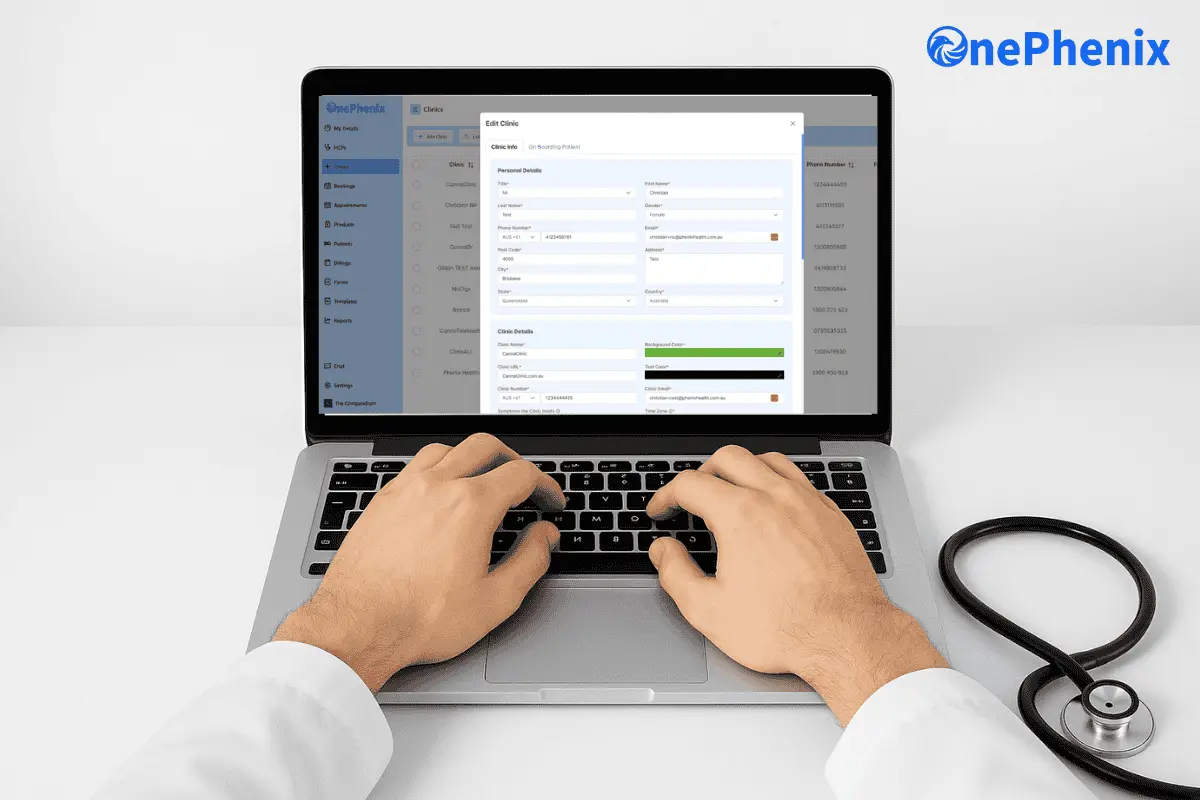
Alternative healthcare professionals face many demands, from meeting regulatory requirements to managing daily clinic operations, but these common challenges in practice management are not insurmountable. By identifying key pain points and adopting smarter systems, you can improve efficiency across your workflow. Streamlining administrative tasks, centralising patient records, automating billing, and using secure referral tools all contribute to a smoother, more organised practice.
One way to achieve this balance is by using an integrated solution like OnePhenix. Designed for authorised prescribers and alternative health clinics, it brings together essential tools for compliance, telehealth, eScripts, billing, and secure data management. Your practice is also listed on the CannaDr digital directory, part of the OnePhenix network, helping new patients find and book with you easily. The result is a more seamless, professional experience for both practitioners and patients.
By reducing administrative load and embracing modern alternative medicine practice management solutions, you can focus more on patient care and sustainable growth. To see how these features can support your clinic, explore OnePhenix and learn how it can streamline your operations and strengthen your practice.